
Industries · Healthcare
AI adoption for clinics and healthcare providers.
Intake, scheduling, reminders, and documentation handled, with a person in the loop wherever safety and compliance demand it. Clinicians see patients, not admin screens.
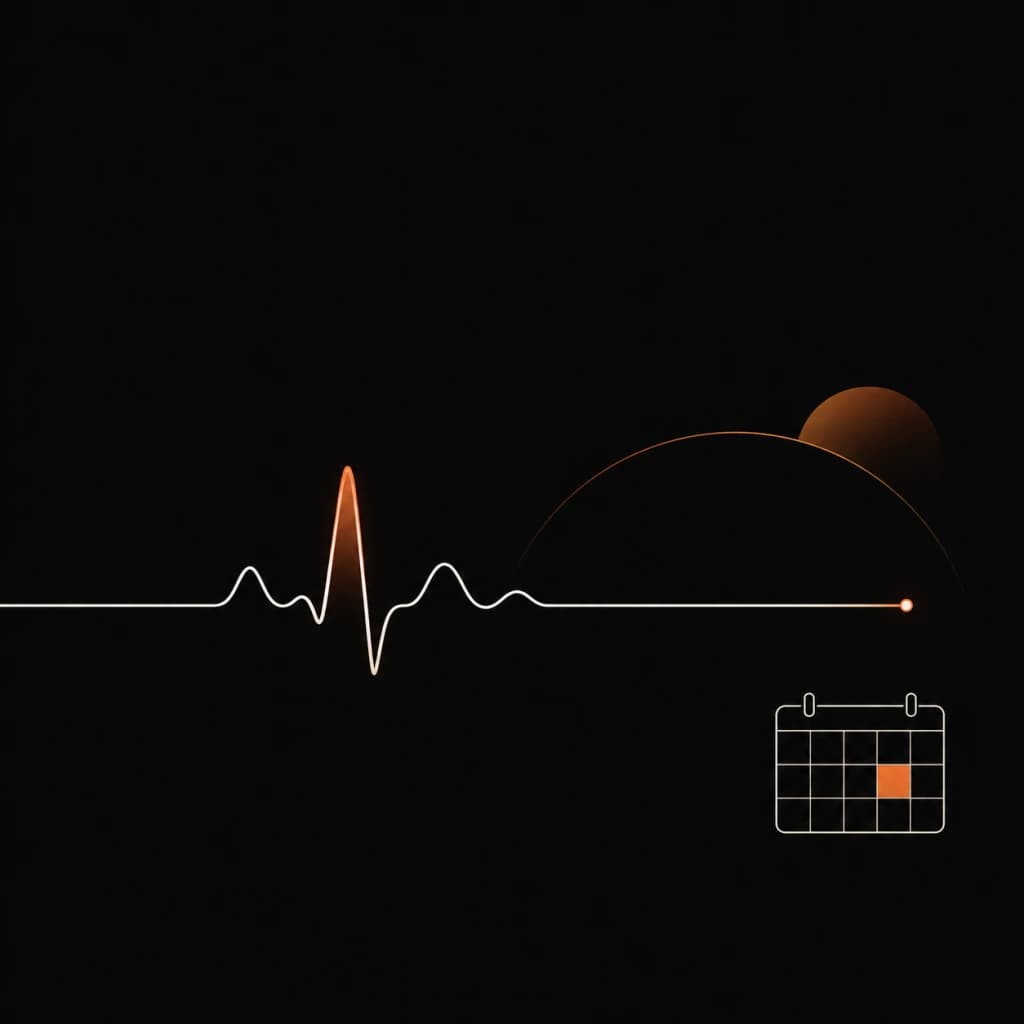
What it looks like in healthcare
A clinic day that fills itself, and a note that waits for the doctor.
Scheduling and reminders run on their own. Anything clinical is a draft until a clinician signs it. Illustrative.
After training
What your team will run themselves.
Adoption means your people own it. Here is what changes for each role once training is done.
Front desk
BeforePhones, forms, reminders, and rescheduling all day.
AfterConfirm what the AI prepared. Give time to patients in the room.
Clinicians
BeforeNotes and letters written after hours.
AfterReview a draft, edit, sign. Minutes, not evenings.
Practice manager
BeforeNo-show rates and admin load unmeasured.
AfterMonthly numbers for no-shows, response times, and hours back.
Where it pays off first
What we'd start with in healthcare.
Typical hours back per week for a small team, rounded. The first engagement usually picks one of these.
Patient intake to structured records
Turns forms and WhatsApp messages into clean records for the front desk to confirm.
Scheduling across clinicians
Books, reschedules, and balances load across clinicians and locations, with reminders that cut no-shows.
Pre- and post-visit comms
Sends preparation instructions before and follow-ups after, on the patient's preferred channel.
Documentation drafts
Drafts notes and letters from the consultation for the clinician to review and sign. Never sent unreviewed.
Across all four, roughly 25 hours a week back. Figures are typical ranges, not a quote. Ask what yours would be
The first 90 days
How it usually runs in healthcare.
Week 1
Front-desk walkthrough and compliance check
We map intake, scheduling, and comms, and agree what must always have a human in the loop.
Weeks 2 to 4
Scheduling and reminders live
The lowest-risk, highest-volume win first. No-shows start dropping in the first fortnight.
Weeks 5 to 8
Staff trained, intake and documentation scoped
Front desk trained. Documentation drafting is scoped with clinicians and your compliance lead.
The full journey, step by step, is on how we work.
Tools
Inside the tools healthcare teams already use.
No new software to learn. We wire the AI into what your team opens every morning.
 Gmail
Gmail Google Sheets
 Calendly
 Google Drive
 OpenAI
 Anthropic
Questions
Common questions from healthcare teams.
01How do you handle patient data and compliance?
We agree the data rules in the assessment: what stays on your systems, what a model may see, and what always needs human review. Private deployments are available where required.
02Will AI ever send something to a patient unreviewed?
Only the categories you approve, such as appointment reminders. Anything clinical is drafted for a person to review and send.
03We run on a hospital information system.
Most systems expose enough to read schedules and write notes, or we work alongside them through email and forms. We confirm this before scoping.
Other industries
 Real estate
 Ecommerce
 Logistics
 Local services
 Education
Ready to make AI part of how your business works?
Book a 30-minute discovery call. We’ll listen, tell you where AI pays off first, and be honest if it doesn’t.